


At SuperCommerce, we’re … well, jazzed to dig into the realm of modular grow solutions. These high-tech setups are flipping the traditional gardening narrative, bringing flexibility and efficiency to green thumbs everywhere — from rookie plant parents to seasoned horticulturalists.
Modular grow solutions are all about customization — your garden, your rules. It’s like a “choose your own adventure” for cultivating, letting you tweak everything to fit your unique needs and cramped urban spaces (or sprawling backyards). In this post, we’ll break down the perks, the nuts and bolts, and how to get these slick systems up and running in your home garden.
Modular Grow Solutions: Revolutionizing Urban Gardening
The Building Blocks of Modular Growing
Here’s the deal-modular grow solutions are turning traditional gardening on its head, especially in urban jungles. Think Lego, but with plants. These setups? They’re like a stage for your green ambitions with customizable units ready to play. What’s in the magic mix? Standardized parts you can slap together, rip apart, and redo-like grow containers, irrigation magic, light shows, and climate rigs. The kicker? Flexibility in spades… Start small, dream big.
Advantages of Modular Systems
Why go modular, you ask? Here’s the scoop:
-
Space Efficiency: For city folks with shoebox apartments. Vertical hydroponic systems can skyrocket your plant count compared to the granny’s garden patches.
-
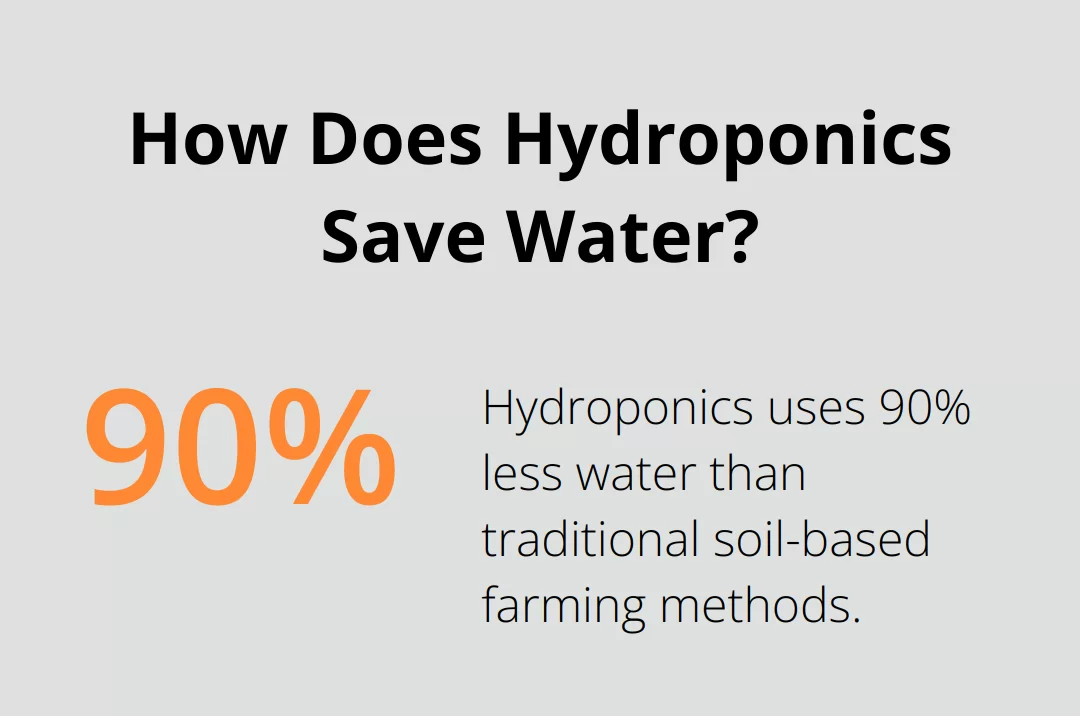
Resource Conservation: Hydroponics (definitely a fave in the modular game) guzzles up to 90% less water than those dirt farms. Less water, fewer pests-it’s like win-win.
-
Customization: Tailor-pick your garden vibe to match quirky spaces and your green thumb aspirations.
-
Scalability: Grow it, shrink it-whatever tickles your fancy when it comes to your flora kingdom.
Popular Types of Modular Grow Solutions
-
Vertical Hydroponic Systems: Towers of power, maximizing the up-and-down real estate-just right for your leafy greens and little herbs.
-
Stackable Container Gardens: Like grown-up blocks for your plant pals. Stack ’em, line ’em up, perfect for your nook-friendly balcony.
-
NFT (Nutrient Film Technique) Systems: A gentle runway of nutrients-ideal for lettuces and their shallow-rooted buddies.
-
Aeroponic Systems: Root-dangling magic with a nutrient shower. NASA’s all about this-less water, no bug spray, and faster-than-soil growth. Whoosh!
-
Modular Greenhouse Kits: Craft your own plant palace-expand, shift, or rework as your inner architect desires.
Choosing the Right System
Picking your modular kit means asking the right questions:
-
How much space have you got?
-
What’s your plant type dream list?
-
How do your green thumb skills stack up?
Beginners-dive into stackable containers or a cozy vertical unit. Once you’re ready to level up, say hello to that NFT or aeroponic charm.
Next up? We’re diving deep into the guts of these modular marvels. Let’s decode how to craft your efficient garden oasis in the heart of the city chaos.
What Makes Modular Grow Systems Tick?
The Foundation: Grow Containers and Trays
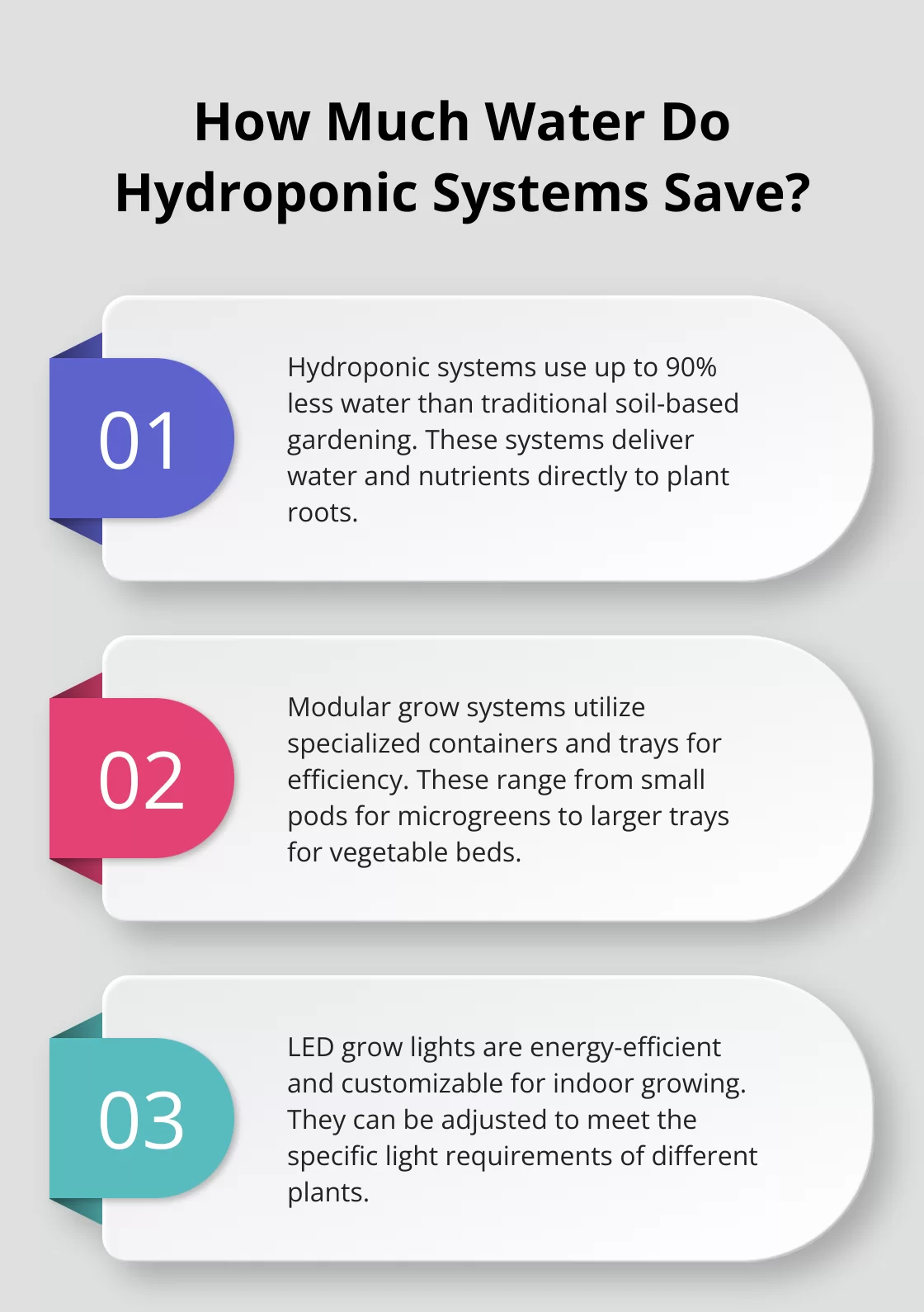
Imagine building a house, but cooler and greener-modular grow systems are like that, but for plants. The foundation? Specialized containers and trays. These babies aren’t just any pots you grab at the corner store; they’re engineered for maximum efficiency. Think of food-grade plastics or sustainable materials that range from itty-bitty pods for microgreens to generous trays for full-on veggie beds. Size matters, folks.
When picking containers, keep an eye on depth and drainage. Shallow trays are perfect for your lettuce and herbs, while the deeper ones cater to root veggies. Proper drainage is your new best friend-it keeps your greens from drowning in watery despair, saving you from the twin evils: waterlogging and root rot (rookie mistakes, really).
The Lifeline: Irrigation and Nutrient Delivery
Picture this: cutting-edge watering and feeding systems are what set modular setups on a whole different level compared to old-school gardening. Enter hydroponics and aeroponics-fancy terms for systems that get water and nutrients straight to the roots like magic.
Hydroponic systems give plants the VIP treatment-floating them in a nutrient-rich water solution instead of soil. The water savings? Up to 90% less than what you’re used to in the dirt. Then there’s the Nutrient Film Technique (NFT), drizzling a thin stream of nutrient love over the roots.
And if you’re feeling fancy, aeroponics steps in, misting those roots with nutrient solutions for growth rates that are out of this world. For peak plant hustle, keep that pH sweet spot between 5.5 and 6.5-test regularly, adjust accordingly, and watch those plants thrive.
The Sun Substitute: Lighting and Climate Control
Growing plants indoors? You’re gonna need a new sun. LED grow lights are the rockstars here-energy-efficient and customizable in their light show. Different plants crave different light settings, so aim for adjustable systems.
Lighting is just the beginning. Temperature and humidity are the unsung heroes in plant health. A lot of these modular wonders come with built-in fans, like mini greenhouse parties. Some even throw in CO2 enrichment for those growth spurts everyone loves.
Your mission? Mimic nature-steady temps, stable humidity. Plants are sensitive souls, so any wild swings in climate can send them spiraling.
The Brains: Monitoring and Automation Tools
Welcome to the future-modern modular grow systems are basically smart gardens. Sensors and automation tools make gardening almost too easy, optimizing conditions without you lifting a finger.
Standard now are sensors keeping tabs on water quality, nutrients, and pH. They buzz you when it’s time to tweak things. Some systems do almost everything-automatically. But walk before you run; if you’re a newbie, full automation can come with a steep price and a side of troubleshooting drama.
The heart of a kickass modular grow system? It’s all about the balance, finding components that click with your space, wallet, and gardening vibes. Next up, we’ll dig into how you can bring this magic into your home or urban jungle.
How to Set Up Your Modular Garden
Choose Your Ideal System
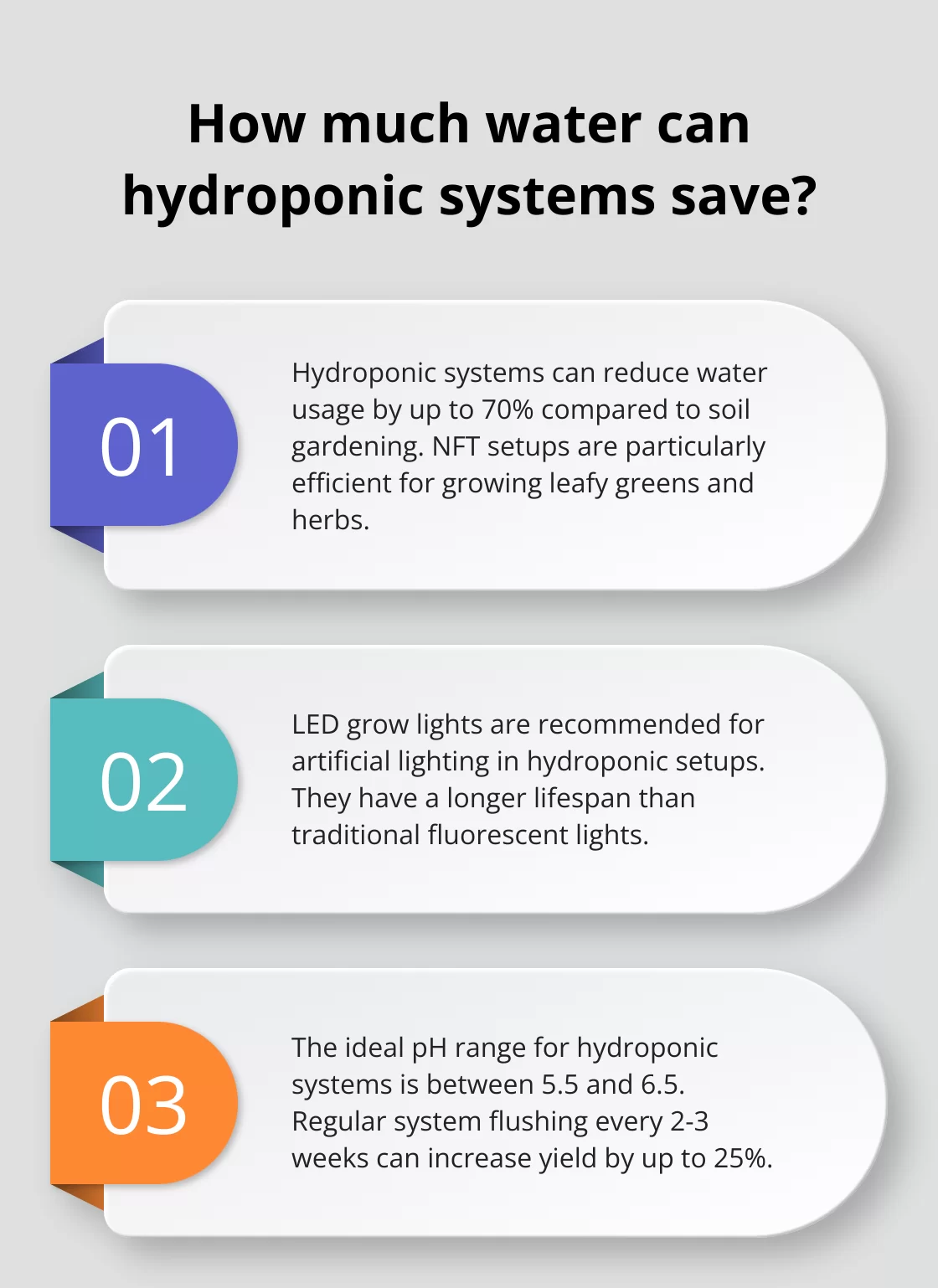
Let’s dive into this-pick a system that jives with your space and ambitions. Vertical hydroponic systems can turn cramped apartments into green jungles. They’re not just for show; they outclass traditional farming in the sustainability department. Got some elbow room? Then maybe a Nutrient Film Technique (NFT) setup is your game. Perfect for leafy greens and herbs, and guess what? It slashes water use by about 70% compared to soil gardening.
Go small initially (think a basic stackable container garden). You can always grow from there. Modular systems are like playing with LEGOs-they’re all about scalability.
Set Up for Success
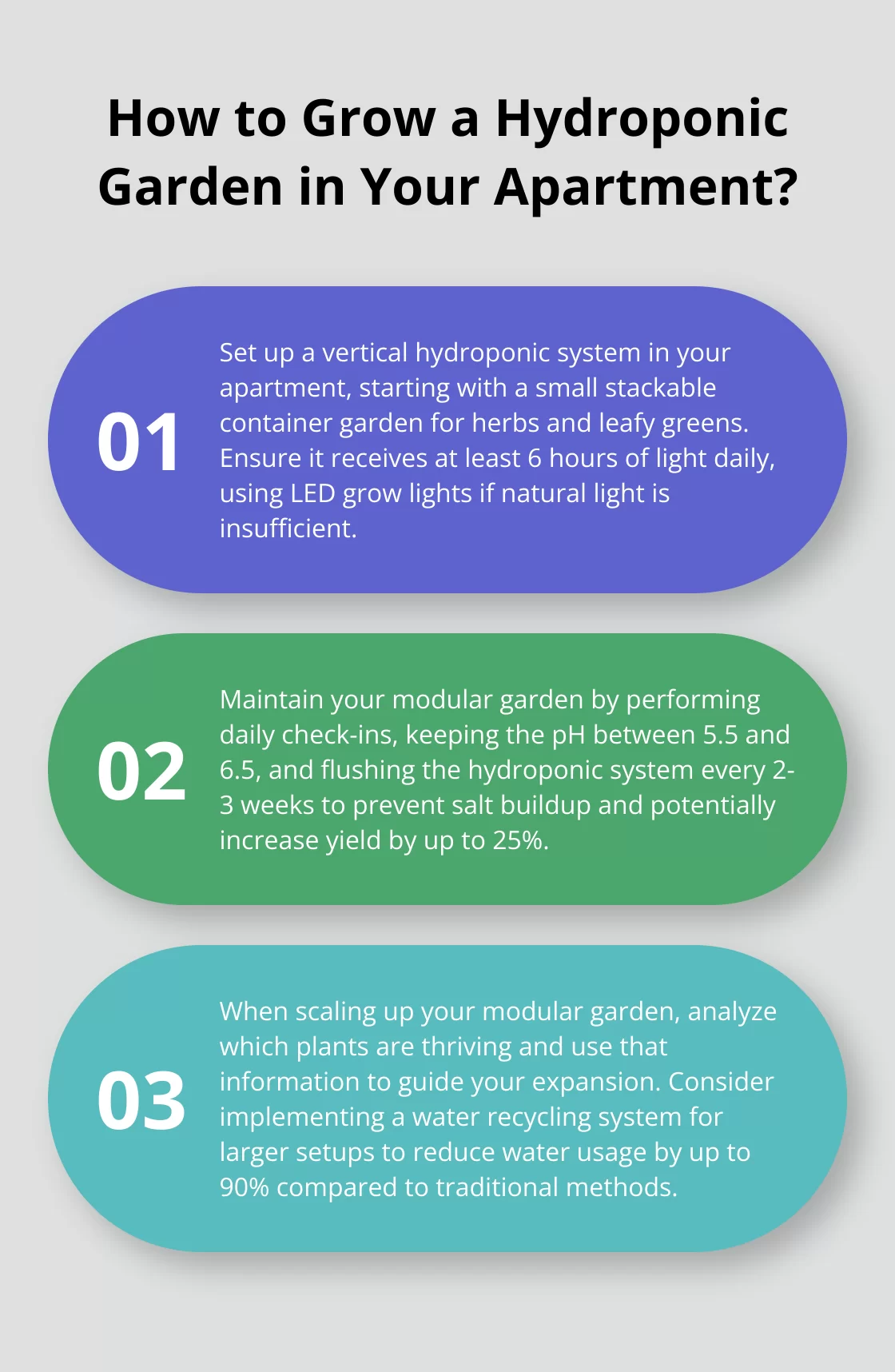
Once you’ve nailed down your system, it’s all about setting up shop. Location, folks, location. Plants thirst for at least 6 hours of light a day. If you’re going artificial, LED grow lights are your new best friend. They outlast those old-school fluorescent lights that constantly burn out.
In hydroponics, pH isn’t just a number-it’s your new mantra. Keep it between 5.5 and 6.5. Snag a dependable pH testing kit-it’s your insurance against a world of hassle. And don’t skimp on quality nutrient solutions; think of it as plant rocket fuel.
Maintain and Troubleshoot Effectively
Here’s the secret sauce: daily check-ins with your green pals are the bedrock of thriving modular gardens. Look out for pests or nutrient hiccups. Yellow leaves? A sure sign your nitrogen game is lacking. Purple leaves? Hello, phosphorus problem.
Keep your setup spotless. Hydroponic systems love a good flush every 2-3 weeks to fend off salt buildup-it’s basic hygiene that can boost your yield by up to 25%.
Got automation tools? Awesome. But they need babysitting, too-make sure they’re ticking like a Swiss watch. A rogue pH sensor can wreck your botanical paradise.
Scale Up Strategically
As your green thumb evolves, expand the garden, but do it smartly. Modular setups are a snap to grow, but don’t just tack on units like a maniac. Check your layout: which plants are thriving, which are sulking? Use that intel for savvy expansion.
Think resources when you upsize. More plants guzzle more water, nutrients, and juice. Is your infrastructure up to the challenge? For jumbo setups, consider water recycling-it can slash water use by up to 90% versus traditional methods.
Final Thoughts
Modular grow solutions – they’re the new frontier in urban gardening. Imagine reshaping your tiny space with flexibility that rivals the best contortionists. These systems? They maximize space, conserve resources, and are as customizable as your favorite DIY pizza order. From towering hydroponic setups to nifty stackable container gardens, there’s something for everyone – whether you’re dipping your toes into plant parenthood or have a thumb so green it’s practically chlorophyll.
The crystal ball shows a dazzling future for modular gardening technology. We’re talking AI-driven monitoring systems (that plant whisperer you always wanted), energy-efficient LED grow lights that would make the sun blush, and cutting-edge materials for your containers. Translation: Indoor gardening will get easier, more sustainable, and perfect for city living.
At SuperCommerce, we’re all about giving you a nudge towards these modular grow solutions and the efficient, eco-friendly practices they promise. Sure, our bread and butter is advanced eCommerce solutions, but we tip our hats to sustainable tech across the board. So, dive into the world of year-round, sustainable gardening – it’s an urban lifestyle game changer.