
Learn how Agile methods can revolutionize your team’s collaboration, leading to increased productivity, creativity, and overall success in your projects.
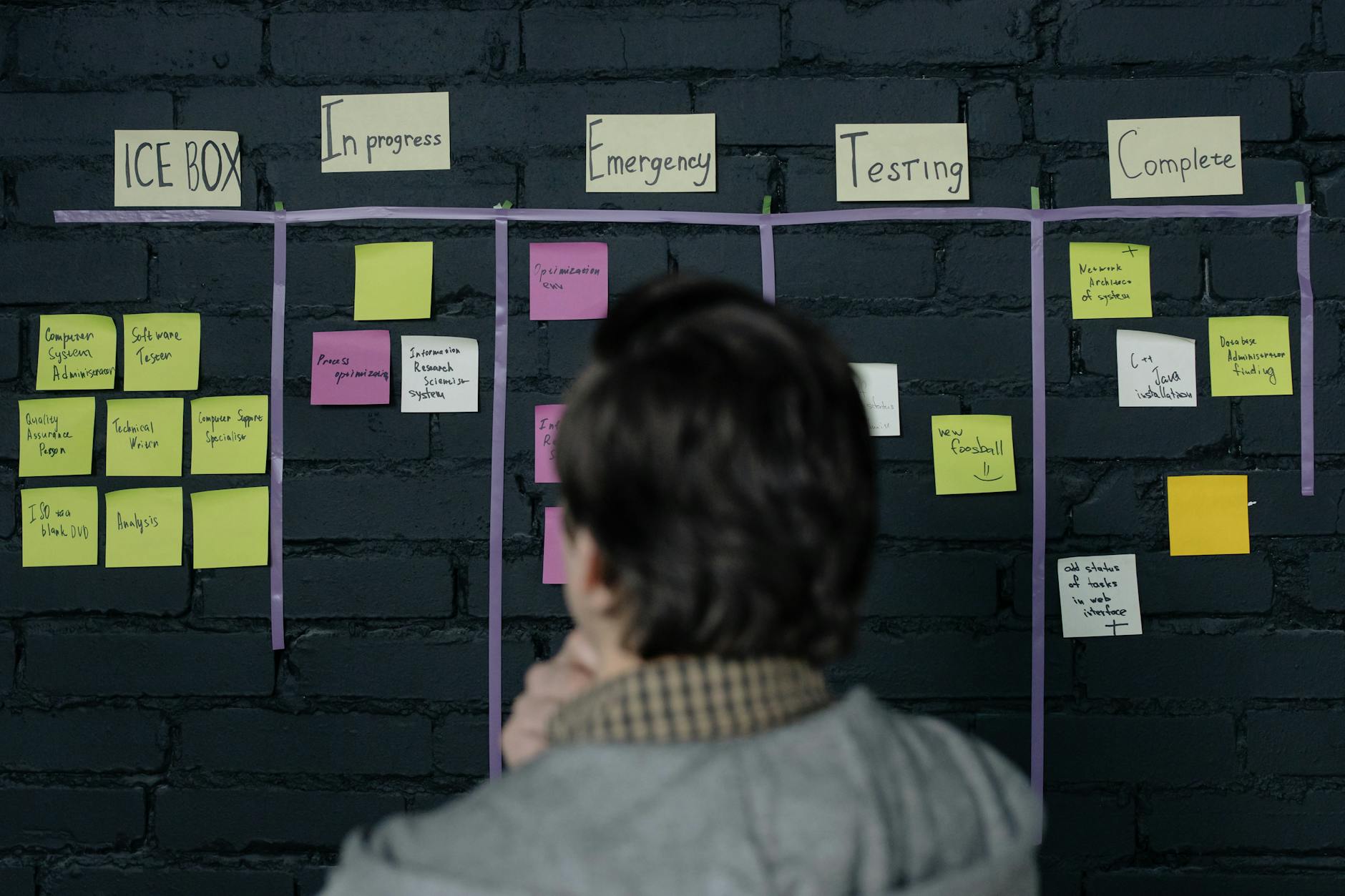
Table of Contents
Introduction to Agile Methods
Agile methods are special ways teams can work together better. They help everyone communicate, share ideas, and solve problems quickly. This makes work more fun and productive. When teams use agile methods, they can adapt easily to changes and make sure their projects are successful.
What Are Agile Methods?
Agile methods are a group of ideas and practices that help teams plan and complete their work. In simple terms, they focus on working in small steps and getting feedback often. This helps teams stay flexible and improve as they go. Agile methods are very important in modern teamwork because they let people connect and collaborate better.
Why is Team Collaboration Important?
Team collaboration is key because it brings people together to share their strengths. When everyone works well together, tasks get done faster and with better results. Agile methods boost team collaboration by creating an open environment. This makes teamwork easier and more enjoyable for everyone involved. When team members feel comfortable sharing with each other, they create better solutions together.
Core Principles of Agile
Agile methods are all about helping teams work together better. To do this, there are some core principles that guide these methods and make teams more productive. Let’s look at these principles and see how they help everyone get the job done more easily.
Individuals and Interactions
One of the biggest ideas in Agile is that people and how they communicate are more important than just the tools and processes they use. Think about it like this: If a team has great tools but they don’t talk well with each other, they might not succeed. But if team members share their thoughts and ideas openly, they can solve problems faster and be more effective.
Working Software
Another important principle is the focus on working software. This means that instead of spending a lot of time writing down everything in documents, teams should concentrate on creating products that are useful and work well. It’s like building a toy; it’s better to make a toy that works than to just write about how to make one. The goal is to show real progress with things that people can actually use.
Customer Collaboration
Agile methods also emphasize the importance of customer collaboration. This means that teams should work closely with customers and listen to what they need. It’s more important to be flexible and adjust to what the customer wants than just stuck in a plan. When teams collaborate with customers, they can create better products that fit the needs of the people who will use them.
Responding to Change
Lastly, responding to change is a key principle of Agile methods. Instead of following a strict plan, teams are encouraged to adapt and change when needed. This is super important because sometimes things don’t go as expected, and being able to switch gears can make a big difference. It’s like playing a sport; if the other team does something you weren’t ready for, you need to change your strategy to win!
Agile Practices for Better Teamwork
Agile practices are special ways that help teams work together more smoothly. These practices are like team exercises that make sure everyone knows what they are doing and can help each other out. Let’s look at some of these practices that lead to efficient teamwork and better project management.
Daily Stand-Ups
One popular Agile practice is the Daily Stand-Up. This is a short meeting that usually happens each day. Team members stand together (or sit, if needed) to quickly share what they worked on yesterday, what they are working on today, and if they have any problems. This way, everyone knows what everyone else is doing. Daily Stand-Ups help make team collaboration easier by clearing up any confusion and making sure everyone is on the same page.
Sprints
Sprints are another important Agile practice. They are like mini-tournaments where a team focuses on completing specific tasks in a set time, usually one to four weeks. During a sprint, the team chooses a few tasks to work on and gives their best effort to finish them. By breaking work into smaller parts, teams can see quick results. This helps boost team productivity because everyone can focus on finishing their goals without feeling overwhelmed by a lot of work at once.
Retrospectives
After each sprint, teams hold a meeting called a Retrospective. This is a time to think about what went well and what can be improved for next time. Team members discuss their ideas openly, which helps everyone learn and grow. Retrospectives are very important because they encourage honest feedback and help make future sprints even better. By reflecting together, the team strengthens their teamwork and continues to improve, leading to more efficient teamwork overall.
Role of Agile Tools
Agile tools are like magic helpers that make teamwork smoother and more organized. When teams use these tools, they can see what they need to do and how much they’ve accomplished. This is super important for project management. Two popular Agile tools are Kanban boards and Scrum boards. Each of these tools helps teams manage their tasks and improve workflow optimization.
Kanban Boards
Kanban boards are like colorful charts that show what work needs to be done and who is doing it. Imagine a big board with sticky notes. Each note represents a task. Team members can easily see what everyone is working on at a glance. This makes it easy to track their progress and decide what comes next. By seeing the tasks visually, everyone can participate in the conversation, which enhances team collaboration.
Scrum Boards
Scrum boards are another useful tool for teams. They are also made up of visual elements, but they organize tasks into three sections: “To Do,” “In Progress,” and “Done.” This simple setup lets team members know exactly what tasks are still left, what is currently being worked on, and what has already been finished. With Scrum boards, it’s much easier for teams to focus on their goals and make sure they’re managing their time well. These boards help keep everyone on track, which is key for successful project management.
Benefits of Agile Methods
Agile methods help team members talk and listen to each other much better. In Agile teams, everyone gets a chance to share their ideas and ask questions. This open way of communicating builds trust. When team members trust each other, they feel more comfortable sharing their thoughts. This leads to better teamwork, where everyone works together to solve problems and make decisions.
Increased Productivity
Using Agile methods can help teams get more done in less time. Agile focuses on breaking big tasks into smaller, manageable pieces. These smaller tasks make it easier for team members to see what they need to accomplish. Plus, with regular meetings like daily stand-ups and sprints, teams stay on track and can quickly tackle any challenges. This way, team productivity increases because everyone is focused on their goals.
Happier Teams
When teams work together smoothly using Agile methods, it creates a positive atmosphere. Team collaboration becomes easier and more fun, which makes everyone happier. Happy team members are more motivated and excited about their work. When people enjoy what they do and feel valued, they want to give their best effort, which benefits the entire team.
Overcoming Challenges with Agile
Using agile methods can make teamwork really great, but sometimes, teams run into challenges. It’s important to know these challenges and think of ways to deal with them. This can help the team stay focused on having efficient teamwork and making everything run smoothly, which is what workflow optimization is all about.
Resisting Change
One common challenge is that some team members might not like the idea of changing how they work. Change can be hard! When people are used to doing things a certain way, they may feel nervous about trying something new like agile methods. To help everyone feel better about this change, it’s important to talk. Team leaders can explain why agile methods are helpful. They can show how much easier and more fun teamwork can be with these new practices.
Encouraging people to ask questions is also really important. When team members openly share their thoughts, they might start to see benefits. Additionally, having a buddy system where experienced members support those new to agile can make a big difference. This way, everyone feels included while making the switch to new methods!
Staying Organized
Another challenge teams face is staying organized with their tasks and projects. With so much going on, things can easily get messy. Agile practices can help with this! Using tools like Kanban boards allows team members to see what they need to work on. Keep the boards updated so everyone knows who is doing what. This helps keep duties clear and avoids confusion.
It’s also great to have regular check-ins. These are short meetings where everyone talks about their progress and plans. This not only keeps everyone on track but also encourages teamwork. When team members know what others are working on, it creates a sense of unity. Everybody can work together more effectively and reach goals faster!
Conclusion
In summary, Agile methods play a vital role in enhancing team collaboration. These methods encourage smooth communication, making it easier for everyone to share ideas and work together. By focusing on teamwork, Agile helps teams become more productive and creative in how they approach their projects.
Recap of Agile Benefits
We’ve seen that Agile methods offer many benefits for team collaboration. They improve communication, boost team productivity, and create a more enjoyable work environment. These methods also help teams stay organized and adapt to changes quickly, which is very important in project management.
Encouragement to Try Agile Methods
We encourage you to explore Agile methods in your own teams. Give them a try and see how they can help you and your friends work better together. Remember, efficient teamwork can lead to fun projects and successful outcomes!