


E-commerce is speeding up like a caffeinated squirrel, and if businesses don’t keep up, they’ll be left in the dust. At SuperCommerce, we’re watching the composable commerce architecture—this nifty approach—revamp things from the ground up.
What’s the big idea? Composable commerce lets companies craft online stores that are flexible, scalable, and (drumroll, please) customizable. We’re diving into the main nuts and bolts, the perks, and how to make this work… So, buckle up.
Building Blocks of Composable Commerce
Composable commerce-it’s reshaping e-commerce with a flexibility that’s hard to ignore. So, what’s powering this nimble beast? Let’s dive into the nuts and bolts driving this game-changing architecture.
Headless Commerce: The Foundation
Headless commerce decouples the frontend of your digital storefront from the backend. Why? So you can go wild with technical creativity, unshackled from the backend chaos. This setup lets you revamp the customer-facing part without throwing the entire system into turmoil.
APIs: The Connective Tissue
APIs-yep, they’re the backbone here. Think of them as the unsung heroes, the glue that sticks various services together, enabling them to chitchat effortlessly. This strategy? It’s a gateway for businesses to bring in the crème de la crème of solutions without breaking a sweat.
Microservices: The Building Blocks
Next up, microservices. Imagine breaking down a mammoth task into bite-sized pieces. Each of these little guys handles a specific business chore, so updating or swapping out any part is a breeze-and it doesn’t rock the whole ship.
Packaged Business Capabilities (PBCs): The Next Level
And then there are PBCs-consider these as microservices on steroids. They bundle assorted services into modules that even non-tech folks can wrap their heads around. Think of a “product catalog” PBC, housing everything from inventory management to pricing. Neat, right?
Real-World Applications
Put this all together, and you’ve got yourself a robust, adaptable e-commerce setup. Luxury jewelry brand L’azurde is a prime example, building bespoke shopping experiences with their sleek composable commerce launch on BigCommerce. When you’re playing in markets like Saudi Arabia and Egypt, this level of customization is pure gold.

So, by grasping these pivotal components, businesses can make savvy choices about their e-commerce frameworks. But what’s the takeaway? How do these pieces translate into real-world perks for your online shop? Let’s dive into the advantages composable commerce throws your way.
Why Composable Commerce Boosts Your Bottom Line
Composable commerce isn’t just a buzzword-it’s a game-changer for businesses looking to stay competitive in the fast-paced world of e-commerce. This approach can transform online stores and boost profits. Let’s break down the concrete benefits that make composable commerce a smart choice for forward-thinking businesses.
Adapt Fast, Win Big
In e-commerce, the ability to pivot quickly can make or break your success. Composable commerce gives you the agility to respond to market changes at lightning speed. When COVID-19 hit, businesses using composable architecture quickly implemented curbside pickup features. As composable commerce continues to advance, it’s becoming increasingly easier and faster for B2B manufacturers to reap the benefits of this technology.
Slash Time-to-Market
Getting new products or features to market quickly is essential in today’s competitive landscape. With composable commerce, slow, all-or-nothing updates don’t hold you back. Instead, you can roll out changes incrementally. Elastic Path reported that their clients reduced time-to-market for new features by up to 50% after switching to a composable approach.
Supercharge Customer Experiences
Happy customers mean more sales, and composable commerce lets you tailor experiences like never before. You can create seamless, personalized journeys across all channels by leveraging best-of-breed solutions for each touchpoint. A study by Gartner found that organizations delivering a true omnichannel experience saw a 15-20% increase in average order value compared to those with disjointed systems.
Scale Without Breaking a Sweat
As your business grows, your e-commerce platform needs to keep up. Composable architecture allows you to scale specific components as needed, without overhauling your entire system. This targeted approach not only saves money but also ensures smooth performance during peak times. Discover the five challenges to handling traffic spikes with composable architecture, hear concrete examples of why composable companies…
Cut Costs, Boost ROI
While the initial investment in composable commerce might seem steep, the long-term savings are substantial. You can optimize your tech spend by only paying for the components you need and easily swapping out underperforming elements. A report by IDC showed that businesses adopting composable commerce saw a 30% reduction in total cost of ownership over three years compared to traditional platforms.

Now that we’ve explored the benefits of composable commerce, you might wonder how to implement this powerful approach in your business. The next section will guide you through the practical steps to embrace composable commerce and transform your e-commerce strategy.
How to Implement Composable Commerce
Alright, folks-let’s break this down. Implementing composable commerce isn’t just flipping a switch. Nah, it requires some serious game planning and execution. Let’s talk about how you can really shake up your e-commerce operations.
Conduct a Thorough Assessment
First things first, take a good hard look at your current setup. It’s like checking the pipes before a renovation-know your strengths, weaknesses, and where things get clogged. This is your launchpad for any transformation strategy.
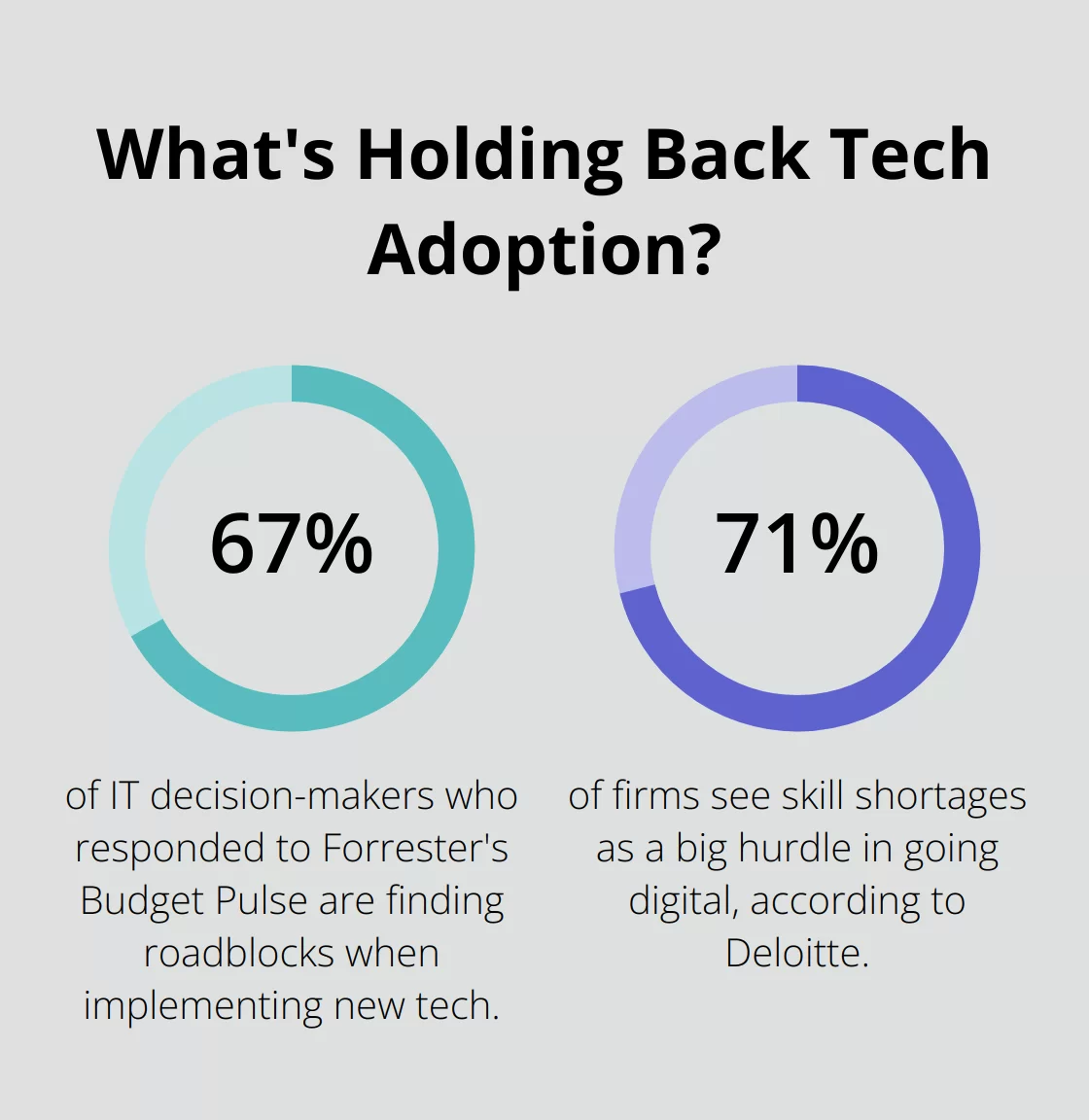
Inflation and challenged supply chains are driving economic strife. Despite these issues, 67% of IT decision-makers who responded to Forrester’s Budget Pulse are finding roadblocks when implementing new tech. To dodge this? Map out your existing architecture-every bolt, joint, and wire. Know your integrations and dependencies like the back of your hand.
Select the Right Technologies
The tech you choose? It’s the backbone. Your new tech stack needs to be the right fit, playing nice with all the bits and pieces.
Look for vendors with rock-solid APIs and a history of playing well with others. Gartner advises zeroing in on solutions with easy customization and room to grow. Future-proof yourself-choose tech that scales with your ambitions.
Assemble a Skilled Team
Here’s the rub-composable commerce needs a particular skill set. You want developers who speak API, microservices, and cloud like their first language. Deloitte says 71% of firms see skill shortages as a big hurdle in going digital.
Think about upskilling your crew or bringing in some fresh talent. Encourage teamwork across departments-tech should be best buddies with marketing, sales, and customer service for a top-notch user experience.
Adopt an Incremental Approach
Rome wasn’t built in a day… and neither is a composable commerce system. Tackle it piece by piece, focusing on one business area at a time-for some quick wins and the chance to pivot if things go sideways.
McKinsey’s research shows this incremental tactic is 2.5 times more likely to lead to success compared to trying to do it all at once.
Rigorously Test and Integrate
New component? Test it like your future depends on it (spoiler: it does). Make sure each new part plays nice with the existing setup. IBM says fixing bugs post-development is 100 times pricier than catching them early.
Set up a vigilant monitoring system to sniff out problems before they snowball. Remember, integration isn’t a one-time gig. As your business evolves, your composable architecture will need constant tuning.
Final Thoughts
Composable commerce architecture-it’s like the Swiss Army knife for e-commerce. It offers businesses unmatched flexibility and customization. Basically, this means companies can whip up tailored solutions that adapt faster than a caffeinated squirrel to market changes-boosting agility and speeding up time-to-market. As the digital marketplace keeps spinning, expect composable commerce to get even snazzier with AI and machine learning (think super personalized experiences).

Sure, shifting to composable commerce means some heavy lifting early on, but the long-term payoff? Totally worth it. Firms diving into this strategy can future-proof their operations and keep an edge sharper than a skateboarder’s ollie. With the rise of voice commerce and IoT devices, brace yourself-composable architectures are about to get even wilder.
Enter SuperCommerce, your guide through the maze of modern e-commerce. Their comprehensive suite of advanced eCommerce solutions is like rocket fuel for digital innovation, especially in the Middle East and Africa. Whether you’re looking to jazz up B2C offerings, launch a B2B marketplace, or automate e-commerce ops, SuperCommerce arms you with the tools and know-how to nail agility and stay competitive.